How to get Firefighter Fit

The role of a firefighter can be physically very demanding. Consequently you’ll be required to maintain good general levels of physical fitness throughout your career.

WHAT YOUR BODY NEEDS TO DO THE JOB

Firefighting is a diverse, physically demanding occupation. To be able to perform all potential tasks safely and effectively, you’ll need to develop six fitness qualities together, not just one or two.


  • Aerobic fitness (VO2 max) — what allows you to keep working effectively during long incidents without your performance dropping off or putting your health at increased risk
  • Anaerobic fitness — short, hard bursts. Hose runs, breathing apparatus incidents.
  • Muscular strength — single-effort max force. Ladder lift, ladder extension, lifting people or equipment.
  • Muscular endurance — repeated efforts without fatigue. Carries, hose work, wildfire incidents
  • Core bracing (anti-rotation, anti-flexion) — keeping the spine neutral under uneven loads. Prevents back injuries, transfers force from legs into the lift.
  • Injury prevention — mobility, warm-ups, varied loading, sensible recovery. Keeps you safe.

ENTRY TESTS

Casualty Evacuation Test

Chester Treadmill Test

Ladder Carry Test

Ladder Extension Test

Ladder Lift Test

Equipment Carry Test


firefighter-fit-image

1.5 miles

You should only plan to take on the 12 week training programme recommended here if you can run 1.5 miles in approximately 12-14 minutes
BEFORE YOU START

This programme places real demands on your body. Before you begin, take a minute to check where you stand.


Experience?


Are you familiar with resistance training and regularly performing vigorous exercise (1-2 x week).  If not, build a base first, learn techniques, start light and build intensity and volume over the first 4 weeks and monitor your health.


Returning to exercise after time off?


Build a base for 2 to 4 weeks first, easy walking, light bodyweight work, gentle cardio. Then start the programme.


Speak to your GP first if any of these apply:


  • A diagnosed heart, lung, or metabolic condition
  • Chest pain, breathlessness or dizziness during exertion or at rest
  • Joint or back pain that exercise has previously made worse
  • You are pregnant, recently postnatal, or taking medication that affects exercise tolerance
  • It has been more than 12 months since you last exercised regularly


If you experience anything unexpected during training, pain that doesn’t resolve, dizziness, chest pain, breathlessness not proportionate to your effort, stop and see a healthcare professional.


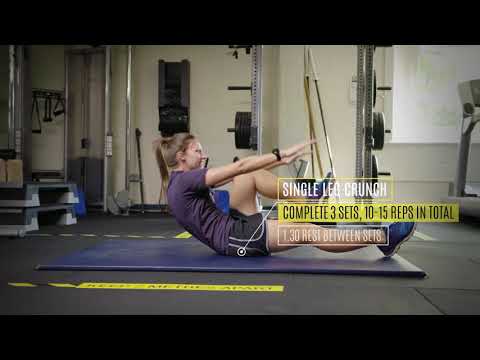
Single Leg

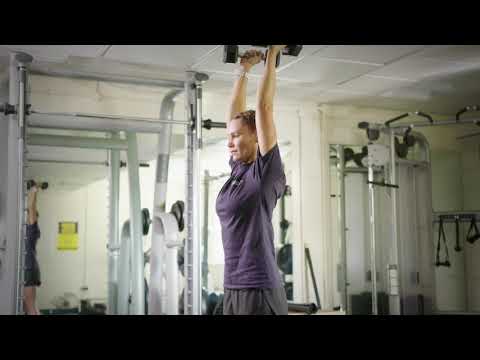
Shoulder Press

Seated Row

Rope Lat Pulldown

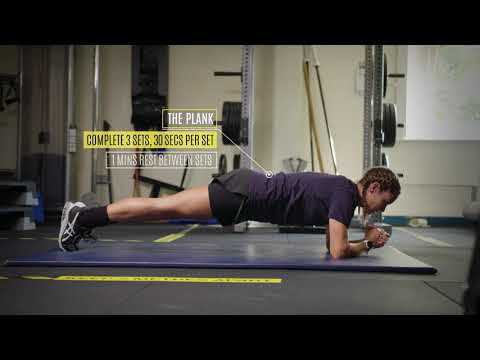
Plank

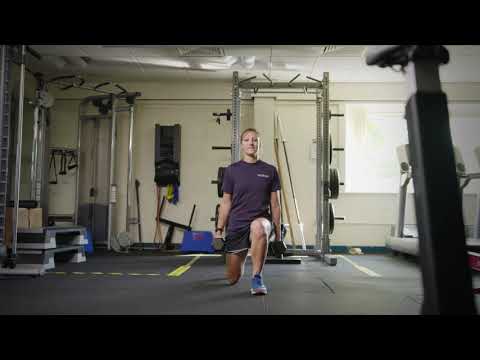
Dumbbell Reverse Lunge

Dumbbell Hold

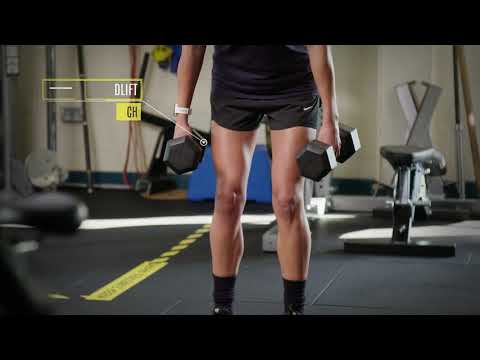
Dumbbell Dead Lift

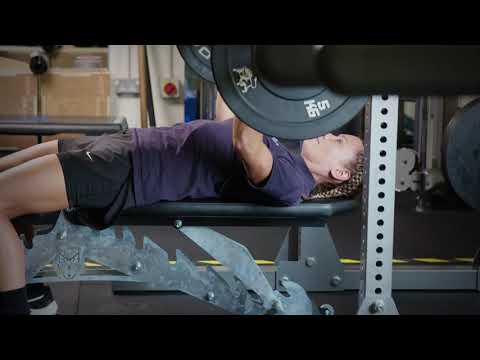
Barbell Bench Press

THE TRAINING PROGRAMME

We have put together an example 6-week training programme covering all the elements above. It is structured as 4 sessions per week:

  • 2 strength sessions — one upper bias, one lower bias

  • 1 treadmill conditioning session — built around the Chester Treadmill Test (CTT)

  • 1 mixed conditioning session — HIIT or multi-modal circuit

  • Core work distributed across all sessions


The treadmill conditioning session comes in two versions: one for those who can already complete the CTT, and one for those building toward it (Zone 2 hills).

Important to know

This is an example of a programme that covers all the required elements. It is not the only way to get there. There are many valid approaches, different splits, exercise choices and training methods. If you already have a programme that works for you, use it. Just make sure it covers everything on the list above.

Following this programme does not guarantee you will pass the recruitment selection tests. That is down to your consistency, effort, and where you are starting from. What it will do is point you in the right direction.

GYM ACCESS

We know not everyone has access to a commercial gym. Here is the honest picture.

Can be done without a gym:

  • Zone 2 cardio (walking, running, cycling)

  • HIIT intervals (running, hill repeats, bodyweight intervals)

  • Core bracing work (planks, side planks, dead bugs)

Needs equipment:

  • The strength work for pressing, pulling, and bracing against significant load

The recruitment selection includes specific strength tests such as the ladder lift, ladder extension, casualty drag, equipment carry and rural simulation. These need genuine loads that home training without equipment cannot provide.


Physical Fitness Guide

Register your interest to be considered for the next round of recruitment.